
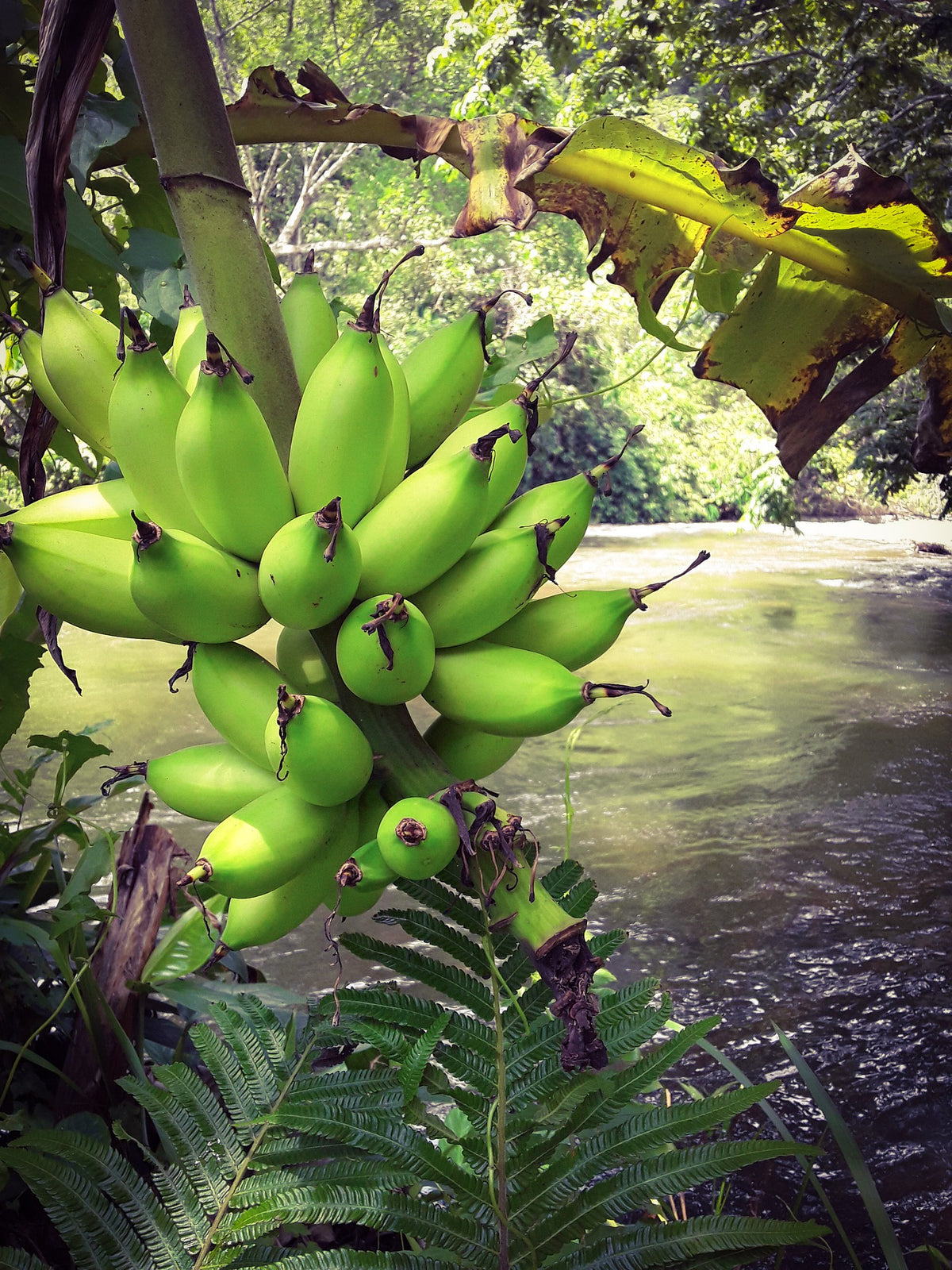
New Guinea river biotope is one of the most recreated biotopes of Australia & Oceania. There is nothing weird about it- the underwater world of New Guinea's river is a beautiful ecosystem and its reflection in the aquarium is relatively easy. Read more about the Biotope Aquarium HERE to possess basic knowledge about this kind of arrangement.
Firstly, let’s talk about the substrate, lighting and water parameters.
As a substrate sand or stones are suitable although gravel is also okay. Moreover, pieces of wood or pebbles will certainly enrich the arrangement effect. As in the case of Australian river biotope, teak looks very natural and the hardscape can be combined in any way. For a more wild effect, it’s nice to let some plants grow on the roots or other decorations, creating a shelter and spawning place for the fish at the same time. The water temperature should be between 24-26 Celsius degrees, pH 6,5-7,1. The lighting should be quite strong but be careful because too strong light will cause excess growth of algae. You must simply feel it.
Fauna
There are not many native species to New Guinea and many of them are the same as in Australia. The most popular species in fish trade suitable for this biotope are rainbowfish and gobies. Remember that rainbowfish are lively fish so they need a lot of space to swim. It’s worth introducing some species that can join the cleaning crew. This would definitely support the filtering system. In our opinion otocinclus will be a great choice for this kind of aquarium. Due to its small size, it can reach every corner of the tank, eating unwelcome algae. To understand the importance of having the cleaning crew in the aquarium and what species are also helpful in this matter, find the topic with our blog about cleaning crew HERE.
Flora
This biotope will look nice with a small number of plants. Even some cuttings of Vallisneria placed properly among the massive hardscape will look beautiful combined with clear water and tiny fish swimming around. If you want to enrich the plant stocking, you can add some species from the genus Cryptocoryne or Hygrophila. Their great advantage is that they are quite easy to grow and the shape of their leaves will wonderfully contrast with Vallisneria. It’s important to trim the plant regularly which will support their healthy growth of the new leaves. If you want to check how to trim Cryptocoryne, Hygrophila or Vallisneria properly, look into our BLOG explaining this matter more deeply.
To sum up, the New Guinea river biotope is a wonderful oasis for tiny rainbowfish. Their undoubtedly beautiful appearance contrasted with wooden decorations, pebbles and delicate plants, will definitely fill your room space with the energy of Oceania’s region. We strongly hope that these tips regarding arrangement and stocking will start your journey with New Guinea biotope. The rest of the story belongs to you!
- by CO2Art Aquascaping Experts
The New Guinea Biotope Aquarium
- by CO2Art Aquascaping Experts
Share:
The regular water change
Overview of Fertilizers in a Planted Tank